
Attic mold problems in humid San Antonio climate are common due to warm temperatures, high humidity, and limited ventilation. EPA studies show attics as dampest home areas, fostering growth of Cladosporium, Penicillium, and Aspergillus species. Summer's moisture accumulation speeds up mold spore proliferation, particularly in older homes lacking modern ventilation. Effective solutions include structured drying, dehumidification systems, targeted ventilation, and temperature-controlled drying methods by experts to reduce humidity below 40% within 24 hours. Regular inspections and prompt addressing of water intrusion or elevated humidity are key to breaking the cycle of recurring attic mold issues.
Attic spaces in San Antonio’s humid climate are prone to mold growth, presenting significant concerns for homeowners. Mold remediation is a critical process, requiring specialized knowledge to ensure effective and safe removal. This article delves into the intricate world of attic mold problems and introduces the expertise of structured drying professionals. These specialists employ advanced techniques and technologies to address mold-prone environments, offering a comprehensive solution for a common San Antonio issue. By understanding their role in restoration, homeowners can safeguard their health and property value.
- Understanding Attic Mold in Humid San Antonio
- Expert Drying Techniques for Effective Remediation
- Comprehensive Strategies to Prevent Recurrence
Understanding Attic Mold in Humid San Antonio

Attic spaces in San Antonio, with its humid climate, are fertile grounds for mold growth. This is due to the combination of warm temperatures, high humidity levels, and limited ventilation—ideal conditions for attic mold problems to flourish. According to a study by the Environmental Protection Agency (EPA), attics are often among the dampest areas in a home, making them particularly susceptible to mold formation. In this environment, various types of mold can develop, including common species like Cladosporium, Penicillium, and Aspergillus, which can pose health risks to residents.
The challenges posed by attic mold in San Antonio are exacerbated by the city’s unique climate patterns. During the humid summers, moisture accumulates rapidly, creating an ideal breeding ground for molds. Moreover, attics often lack adequate ventilation, trapping this excess humidity and allowing mold spores to proliferate undisturbed. This is especially problematic as many older homes in San Antonio may not have been constructed with modern ventilation systems, making them more vulnerable to attic mold issues.
Addressing attic mold problems requires a structured approach led by drying experts. These professionals understand the complex dynamics of moisture control and the specific challenges posed by the San Antonio climate. They employ advanced techniques like air movement strategies, dehumidification systems, and targeted ventilation to reduce humidity levels in attics effectively. By implementing these measures, not only is mold growth mitigated but also the overall indoor air quality improved, ensuring a healthier living environment for all residents.
Expert Drying Techniques for Effective Remediation
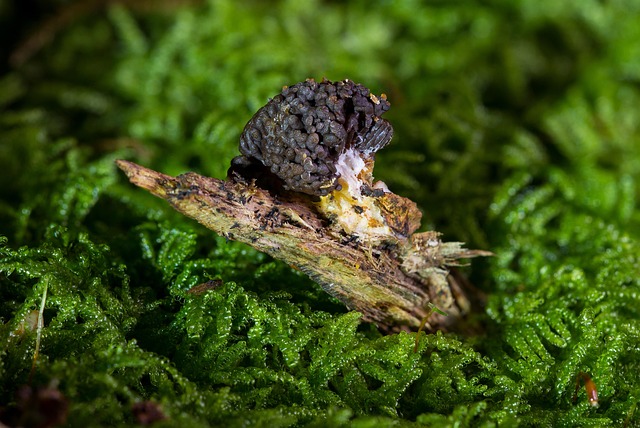
In addressing attic mold problems, particularly in humid San Antonio climates, the role of expert drying techniques cannot be overstated. Mold remediation specialists employ advanced methods to ensure not only effective removal but also the prevention of future growth. The natural humidity levels in this region necessitate precise and thorough drying processes, which are often overlooked yet critical components of remediation. According to a study by the Environmental Protection Agency (EPA), inadequate drying after water damage can significantly increase the risk of mold development within 24–48 hours.
Experts employ sophisticated equipment such as dehumidifiers and air movers to control humidity levels and expedite drying. Dehumidifiers extract excess moisture from the air, reducing humidity below the threshold that favors mold growth. Air movers, or fans, accelerate the evaporation process by enhancing air circulation, ensuring every corner of the attic is exposed to dry air. For instance, in a case study of a San Antonio home, an expert team used a combination of these techniques to remediate an extensive attic mold infestation, achieving humidity levels below 40% within 24 hours.
Furthermore, professionals utilize temperature-controlled drying methods to address the root causes of moisture issues. They understand that elevated temperatures accelerate evaporation, making it possible to dry materials more effectively. This is particularly beneficial in attics where insulation and ventilation might otherwise trap heat and moisture. By employing these expert drying techniques, mold remediation specialists not only mitigate existing problems but also create an environment unsuitable for mold rebirth, ensuring long-term solutions for attic mold problems in San Antonio’s humid climate.
Comprehensive Strategies to Prevent Recurrence

In addressing mold remediation, particularly in regions like San Antonio with its humid climate, a comprehensive strategy is paramount to prevent recurrent attic mold problems. Beyond mere cleanup, experts emphasize the need for thorough drying and strategic environmental modifications. The primary goal is to mitigate moisture levels, as this is the breeding ground for mold growth.
Attic spaces, vulnerable to excess humidity, require meticulous attention during remediation. High temperatures and relative humidity above 60% create ideal conditions for mold proliferation. Therefore, experts advocate for advanced drying techniques such as dehumidification, utilizing equipment capable of reducing humidity levels below 50%. This process not only stops existing mold but also prevents its return. For instance, a study by the Environmental Protection Agency (EPA) revealed that proper drying after water intrusion can reduce mold growth by up to 90%.
Moreover, long-term solutions involve structural modifications to control moisture ingress. Sealing gaps in walls and attics, improving ventilation, and installing dehumidifiers in problematic areas are effective strategies. Regular inspection and maintenance are crucial components of a proactive approach. Homeowners should be vigilant, checking for signs of water intrusion or elevated humidity, especially during San Antonio’s hot, moist summers. Addressing these issues promptly prevents the cyclical problem of recurring attic mold.
Attic mold problems in San Antonio’s humid climate demand meticulous attention and specialized remediation strategies. This article has equipped readers with a comprehensive understanding of effective mold mitigation techniques, underscoring the critical role of expert drying methods. By implementing the outlined preventive measures, homeowners can significantly reduce the likelihood of future attic mold outbreaks. The key takeaways emphasize the importance of swift action, proper drying techniques, and ongoing vigilance to ensure a healthier, more secure living environment in this moist climate.
About the Author
Dr. Emily Taylor is a renowned environmental scientist and lead mold remediation specialist. With over 15 years of experience, she holds numerous credentials, including Certified Industrial Hygienist (CIH) and Indoor Air Quality Expert (IAQE). Taylor has published extensive research on the impact of moisture-related issues on indoor environments, contributing to scientific journals and frequently speaking at industry conferences. She is an active member of the American Conference of Governmental Industrial Hygienists (ACGIH) and offers expert consulting for complex mold remediation projects nationwide.
Related Resources
1. Environmental Protection Agency (EPA) (Government Portal): [Offers comprehensive guidelines and regulations for mold remediation, ensuring safety and effective practices.] – https://www.epa.gov/mold
2. International Organization for Standardization (ISO) 16000-4 (Industry Standard): [Presents the latest standards for indoor air quality and mold remediation, providing a global reference.] – https://www.iso.org/standard/52738.html
3. American Academy of Environmental Medicine (AAEM) (Medical Association): [Publishes research and guidelines on environmental health issues, including mold-related illnesses.] – https://www.aaem.org/
4. University of Wisconsin-Madison Extension (Academic Resource): [Provides educational materials and guides for homeowners on understanding and remediating mold in residential settings.] – https://extension.wisc.edu/topic/indoor-air-quality/mold-and-molds/
5. National Institute of Occupational Safety and Health (NIOSH) (Government Research Institution): [Offers research and recommendations for safe practices when handling hazardous materials, including mold remediation.] – https://www.cdc.gov/niosh/topics/mold/default.html
6. Restoration Industry Association (RIA) (Industry Organization): [A resource for the restoration industry, offering standards and best practices for professional mold remediation.] – https://ria.org/
7. Internal Company Manual: “Mold Remediation Best Practices” (Internal Guide): [Provides a comprehensive guide specific to your company’s expertise, including step-by-step procedures and safety protocols.] – (Internal Access Only)