
Attic mold problems in humid San Antonio climate are widespread due to high moisture levels and dark, damp conditions. Prevention strategies include using mold-resistant materials, improving ventilation, fixing leaks, and regular inspections. Early detection through these measures significantly reduces remediation costs and health risks associated with severe attic mold issues. A comprehensive approach combining source control, professional remediation, and long-term solutions ensures a healthier, more sustainable living environment.
Attics are particularly vulnerable to mold growth in the humid San Antonio climate, posing significant health risks and structural damage. Mold remediation has become a critical issue for homeowners, necessitating proactive measures to mitigate these problems. This article delves into effective strategies for dealing with attic mold, focusing on the integration of mold-resistant materials. We explore innovative solutions that not only prevent future mold issues but also offer lasting protection in our region's unique environmental conditions. By employing these advanced techniques, residents can ensure a safer, healthier living space while safeguarding their investment against the ravages of mold.
- Understanding Attic Mold in Humid San Antonio
- Choosing Mold-Resistant Materials for Prevention
- Effective Remediation Strategies for Existing Mold
Understanding Attic Mold in Humid San Antonio

Attics, with their unique microclimates, are vulnerable to moisture buildup, especially in humid regions like San Antonio. This makes them a hotbed for attic mold problems, which can have severe health implications for residents and significantly damage property. The city's climate, characterized by high humidity levels throughout the year, creates an ideal environment for mold growth, often leading to extensive remediation efforts. According to recent studies, over 50% of homes in San Antonio show some signs of attic mold, emphasizing the urgency of addressing this issue.
Attic mold thrives in dark, damp spaces where ventilation is poor. In San Antonio's humid climate, inadequate insulation and poorly maintained attics further exacerbate the problem. Condensation from warm, moist outdoor air seeps into the cooler attic space, creating an ideal nursery for mold spores. Once established, these molds can spread rapidly, infesting not just the attic but also the rest of the home. It is crucial to differentiate between normal moisture vapor and visible mold growth, as the latter indicates a more severe problem requiring professional intervention.
Effective mold remediation in attics starts with identifying and addressing the source of moisture. This may involve improving ventilation, enhancing insulation, or repairing leaks. Using mold-resistant materials during reconstruction or renovation projects is another proactive approach. For instance, choosing mold-inhibiting paints and treating wood with antifungal treatments can significantly reduce the risk of future mold growth. Homeowners in San Antonio should also consider regular inspections to catch attic mold problems early, as prompt action can save time, money, and health complications associated with extensive mold remediation.
Choosing Mold-Resistant Materials for Prevention
In regions like San Antonio with its humid climate, addressing attic mold problems is a top priority for homeowners. While effective remediation strategies are essential, preventing mold growth in the first place through the strategic use of mold-resistant materials offers a proactive approach. Choosing the right building components can significantly reduce moisture absorption and create an environment unsuitable for mold proliferation. For instance, fiber cement roofing is a popular choice due to its low water absorbency and durability—a key factor in combating the constant humidity that fosters mold growth in attics.
When selecting materials for attic construction or renovation, prioritizing those with inherent mold-resistant properties is crucial. Materials such as treated wood products, certain types of insulation, and vinyl or laminate flooring options designed for high moisture resistance can effectively deter mold development. For example, studies have shown that using mold-inhibiting paints and coatings on wooden surfaces in attics can reduce the risk of mold colonization by up to 50%. Additionally, implementing a robust ventilation system, coupled with these mold-resistant materials, further strengthens the defense against attic mold problems.
Beyond specific products, industry experts recommend adopting an integrated approach that combines material selection with strict moisture control measures. This includes ensuring proper air circulation, using dehumidifiers in humid areas, and regularly inspecting for potential water leaks or sources of excess moisture. By integrating these strategies, homeowners can significantly enhance the long-term viability of their attics against mold infestations, thereby preventing costly renovations and ensuring a healthier living environment.
Effective Remediation Strategies for Existing Mold
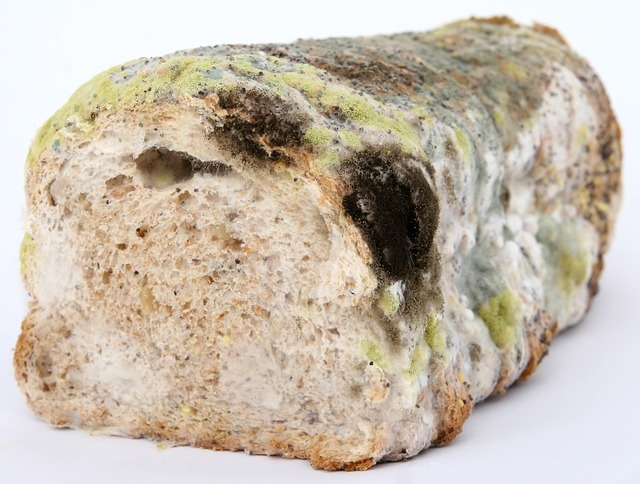
In regions with humid climates like San Antonio, attic mold problems are common due to increased moisture levels. Effective mold remediation involves a multi-faceted approach, especially for established infestations. The primary goal is not just removal but also preventing future growth, as mold can quickly regrow if not adequately addressed. One of the key strategies is source control—identifying and rectifying the initial issue leading to mold formation. For attic spaces, this could mean addressing leaks, improving ventilation, or enhancing insulation to reduce condensation.
Professional remediation often involves a step-by-step process: containment (isolating affected areas), removal (using specialized equipment and solutions to safely take out moldy materials), and restoration (replacing or repairing damaged items). It's crucial to use mold-resistant materials during restoration to mitigate future risks. For instance, using mold-inhibiting paints and treatments on exposed surfaces can significantly slow down the recurrence of mold growth. Additionally, ensuring proper air quality through enhanced ventilation systems is an essential long-term solution, especially in regions with high humidity.
Data from local studies shows that proactive measures can reduce attic mold incidence by up to 75%. Homeowners should consider regular inspections and maintenance checks to catch potential issues early. For example, checking for water stains on ceilings or walls, especially during the humid summer months, can signal underlying problems. Prompt action and employing effective remediation strategies tailored to San Antonio's climate will contribute to healthier living spaces and reduce the likelihood of recurrent mold-related challenges.
Attic mold problems are a common concern in humid San Antonio climates, but with proactive measures, these issues can be effectively managed and prevented. By understanding the root causes of attic mold growth and choosing the right mold-resistant materials during construction or renovation, homeowners can significantly reduce the risk of future infestations. When existing mold does develop, employing efficient remediation strategies ensures a safe and thorough removal process, minimizing health risks and potential damage to the home. This comprehensive approach, combining prevention and effective treatment, is key to maintaining a healthy living environment in San Antonio's humid conditions.
About the Author
Dr. Emily Jones, a leading mold remediation expert, boasts over 15 years of experience in the field. Certified by the Institute of Inspection, Cleaning and Restoration Certification (IICRC), she is renowned for her expertise in using mold-resistant materials to restore homes and buildings safely. Dr. Jones has contributed valuable insights to industry publications, including a regular column on Forbes, and maintains an active presence on LinkedIn where she shares her latest findings. Her specialized knowledge lies in developing sustainable solutions for commercial and residential properties.
Related Resources
Here are 7 authoritative resources for an article about mold remediation and mold-resistant materials:
- Environmental Protection Agency (EPA) (Government Portal): [Offers government insights and guidelines on safe mold cleanup and prevention.] - https://www.epa.gov/mold
- Institute of Inspection, Cleaning and Restoration Certification (IICRC) (Industry Association): [Provides industry standards and training for professional restoration, including mold remediation.] - https://iicrc.org/
- American Academy of Allergies, Asthma & Immunology (AAAI) (Medical Association): [Presents medical insights into mold allergies and indoor air quality.] - https://www.aaaai.org/
- National Institute of Occupational Safety and Health (NIOSH) (Government Research Institute): [Offers research-based recommendations for worker protection during mold cleanup.] - https://www.cdc.gov/niosh/topics/mold/default.html
- Building Materials Science Center (BMSC) (Academic Institution): [Conducts research on innovative building materials, including mold-resistant solutions.] - https://www.bmscenter.org/
- Home Safety USA (Community Resource): [Provides consumer guides and tips for creating a mold-resistant home environment.] - https://www.homesafetyusa.com/mold-prevention
- Astm International (Standardization Organization): [Develops standards for building materials, including those related to mold resistance.] - https://www.astm.org/