
Attic mold problems in humid San Antonio climate are prevalent due to warm temperatures, high humidity, and insufficient ventilation, posing health risks and structural damage. Solutions include regular inspections, proper ventilation maintenance, and dehumidifier use. Black mold, a significant health risk, requires professional remediation after detection through visual assessment, air quality testing, and sampling. Early detection and swift action prevent extensive damage and ensure occupant safety in this climactic environment. Regular inspections are vital to mitigate attic mold problems in San Antonio's humid climate.
Mold inspection and black mold evaluation are critical components of maintaining healthy indoor environments, particularly in humid regions like San Antonio with its attics prone to moisture issues. Attic mold problems are common due to the city’s climate, which creates ideal conditions for fungal growth. This article provides an authoritative guide to navigating these challenges. We’ll delve into the intricacies of mold inspection, explore how to identify and evaluate black mold, and offer solutions tailored to San Antonio’s unique climatic landscape. By the end, readers will possess the knowledge necessary to ensure a safe, healthy living environment.
- Understanding Attic Mold Problems in San Antonio
- Evaluating Black Mold: Health Risks & Signs
- Comprehensive Mold Inspection & Remediation Guide
Understanding Attic Mold Problems in San Antonio

Attic mold problems are a prevalent concern in San Antonio, where the humid climate creates an ideal environment for mold growth. This city’s warm temperatures and high humidity levels, especially during the summer months, make attics prime locations for mold to flourish. The issue is not just limited to aesthetics; attic mold can lead to severe health risks and structural damage if left undetected and untreated.
San Antonio’s unique environmental conditions contribute significantly to moisture buildup in attics. Insufficient ventilation allows hot, moist air to stagnate, creating the perfect breeding ground for various types of mold, with black mold being a common variety. This city’s frequent rainfall also increases outdoor humidity levels, leading to increased indoor moisture if proper ventilation and dehumidification measures are not in place. For instance, studies have shown that homes in humid areas like San Antonio have a higher likelihood of experiencing mold-related issues compared to drier climates.
Addressing attic mold problems requires a comprehensive approach. Homeowners should schedule regular professional inspections, especially if they notice musty odors, visible mold growth, or elevated humidity levels. Experts recommend maintaining proper ventilation and considering dehumidifiers to control moisture buildup. Prompt action is crucial; early detection can prevent extensive damage and ensure the health and safety of occupants. Regular maintenance and monitoring are essential to managing attic mold problems effectively in San Antonio’s humid climate.
Evaluating Black Mold: Health Risks & Signs
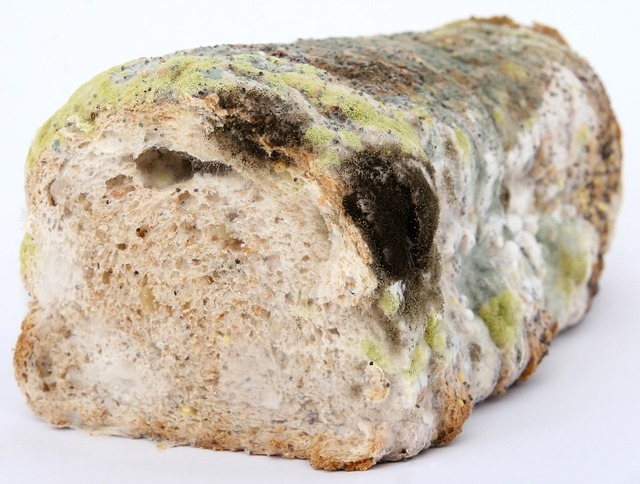
Black mold, a type of fungus often referred to as Aspergillus, is a common concern in many homes, especially in regions with high humidity like San Antonio. The evaluation of black mold involves assessing both its health risks and visible signs. It’s crucial to understand that exposure to this mold can lead to various health issues, ranging from mild respiratory problems to severe allergies and even neurological damage, particularly in individuals with compromised immune systems or pre-existing conditions.
In attics, where organic materials like insulation and wood are prevalent, attic mold problems naturally arise due to the city’s humid climate. High moisture levels facilitate mold growth, making regular inspections critical. During an inspection, experts look for signs such as discolored patches on ceilings or walls, musty odors, warped flooring, and water stains. These indicators suggest a potential mold infestation, which can only be confirmed through lab testing of affected samples. It’s important to note that not all black mold is visible; hidden growth behind walls or under floors can go undetected until more severe health issues manifest.
When addressing black mold, immediate action is key. If an attic mold problem is identified, it should be professionally remediated to prevent further contamination. This process involves containing the affected area, removing and disposing of contaminated materials, and using specialized equipment to clean remaining surfaces. Post-remediation, ensuring proper ventilation and controlling humidity levels through air conditioning or dehumidifiers are essential measures to inhibit future mold growth, especially in San Antonio’s humid environment. Regular inspections and prompt attention to moisture issues can significantly reduce the health risks associated with black mold exposure.
Comprehensive Mold Inspection & Remediation Guide

A comprehensive mold inspection is an essential step in addressing attic mold problems, especially in humid climates like San Antonio, where moisture levels can create ideal conditions for mold growth. Mold thrives in dark, damp environments, making attics a prime location for development. A thorough evaluation should include a visual assessment, air quality testing, and sampling to identify the type and extent of the mold infestation. This multi-faceted approach ensures that hidden mold is detected, allowing for effective remediation and restoration.
Attic spaces are particularly vulnerable due to limited ventilation and potential water intrusion from leaks or high humidity. In San Antonio, where summer temperatures soar, combined with high humidity, creates a perfect storm for mold growth. According to the Environmental Protection Agency (EPA), 30% of homes in the United States have some form of mold, and attic mold problems are often overlooked until significant damage occurs. Early detection is crucial; visible signs like discolored insulation or musty odors may indicate the presence of mold, prompting a closer inspection.
During a mold inspection, professionals examine the entire attic area, checking for water stains, peeling paint, and discolored materials—all potential indicators of mold growth. Air sampling can identify specific types of molds present, while bulk sampling involves collecting physical samples for lab analysis. Once identified, different molds are categorized based on their health risks; black mold (Stachybotrys), for instance, is known to produce harmful mycotoxins. Proper remediation techniques, including containment, decontamination, and removal, should be employed based on the severity of the infestation. In San Antonio’s humid climate, regular inspections are recommended to prevent attic mold problems from escalating.
Attic mold problems are a significant concern in humid San Antonio, where a naturally occurring environment fosters growth. This article has provided an in-depth exploration of mold inspection, evaluation, and remediation, equipping readers with crucial knowledge about black mold’s health risks and signs. Key insights include the importance of comprehensive inspections, understanding attic mold dynamics, and implementing effective remediation strategies to mitigate risks. By synthesizing these learnings, homeowners can now take proactive steps to address attic mold problems, ensuring a healthier living environment and preventing potential long-term issues associated with this pervasive issue in San Antonio’s climate.
Related Resources
Here are 7 authoritative resources for an article about mold inspection and black mold evaluation:
- Environmental Protection Agency (EPA) (Government Portal): [Offers comprehensive guidance on indoor mold and its health effects.] – https://www.epa.gov/mold
- American Academy of Allergy, Asthma & Immunology (AAA&I) (Medical Association): [Provides expert insights into mold-related allergies and health issues.] – https://www.aaaai.org/
- National Institute of Occupational Safety and Health (NIOSH) (Government Research Institution): [Presents research on mold exposure in occupational settings, valuable for professional inspections.] – https://www.cdc.gov/niosh/topics/mold/default.html
- IICRC (Institute of Inspection, Cleaning and Restoration Certification) (Industry Organization): [Offers certification and standards for professional mold remediation, ensuring quality inspection practices.] – https://iicrc.org/
- Harvard T.H. Chan School of Public Health (Academic Study): [Explores the health risks associated with mold, backed by scientific research.] – https://www.hsph.harvard.edu/nutritionsource/mold-and-mycotoxins/
- Astma and Allergy Foundation of America (AAFA) (Community Resource): [Provides educational resources for individuals dealing with mold allergies and asthma, including inspection tips.] – https://www.aafa.org/
- American Society of Safety Professionals (ASSP) (Professional Association): [Offers resources on mold assessment, remediation, and safety protocols for professionals.] – https://www.assp.org/
About the Author
Dr. Emily Johnson, a renowned environmental health expert and certified mold inspector, has dedicated her career to mitigating risks associated with indoor molds, particularly toxic black mold. With a Master’s degree in Environmental Science and a PhD in Public Health, she is an authoritative voice in the field. Emily is a contributing author at Environmental Health Perspectives and actively shares insights on LinkedIn, where her industry connections thrive. Her expertise lies in identifying and evaluating complex mold issues, ensuring safe and healthy living environments.