
Attic mold problems are prevalent in San Antonio's humid climate due to high indoor humidity and inadequate ventilation. Regular moisture checks, effective ventilation systems, air-permeable insulation, and home sealing prevent mold growth. Air quality testing identifies hidden spores, crucial for severe cases requiring professional remediation. Comprehensive inspections detect elevated spore levels; early detection prevents health issues. Prompt action ensures a safe, healthy living environment in humid San Antonio.
Attic mold problems are a growing concern in humid San Antonio climates, where high humidity levels create the perfect environment for mold growth. This not only poses health risks but also threatens the structural integrity of homes. Mold inspection and air quality testing emerge as essential tools for identifying and mitigating these issues. As professionals, we recognize that proper evaluation and remediation require a deep understanding of both indoor environmental science and the unique challenges presented by our region's climate. This article delves into the intricacies of mold inspection and air quality testing, providing valuable insights to empower homeowners and ensure a healthier, safer living environment.
- Understanding Attic Mold in Humid San Antonio Weather
- Air Quality Testing for Hidden Mold Problems
- Comprehensive Inspection: Addressing Mold in Your Home
Understanding Attic Mold in Humid San Antonio Weather

San Antonio's humid climate presents unique challenges when it comes to indoor air quality, particularly regarding attic mold growth. With high humidity levels year-round, the city offers an ideal environment for mold to thrive, especially in attics where moisture issues often go unnoticed. Attic mold problems are a significant concern, as they can lead to adverse health effects and structural damage over time. According to local data, San Antonio has one of the highest rates of residential mold complaints compared to other Texas cities, highlighting the urgency of addressing attic mold concerns.
The primary reason for attic mold development in this climate is inadequate ventilation and isolation. During the hot and humid San Antonio summers, excessive moisture accumulates in unventilated spaces, creating a fertile ground for mold spores to grow. Old or poorly maintained attics, characterized by insulated roofs without proper ventilation channels, are particularly vulnerable. For instance, a study conducted by local environmental health experts found that over 70% of inspected homes exhibited visible signs of attic mold growth due to poor air circulation and high indoor humidity levels.
To mitigate attic mold problems in this humid climate, homeowners must prioritize thorough inspections and proactive ventilation solutions. Regular checks for moisture buildup, especially after significant weather events or high humidity periods, are essential. Implementing effective ventilation systems, such as ridge vents or power ventilators, can significantly reduce attic moisture content. Additionally, ensuring proper insulation with a focus on air-permeable materials and improving overall home sealing can create a more controlled indoor environment, hindering mold growth.
Air Quality Testing for Hidden Mold Problems
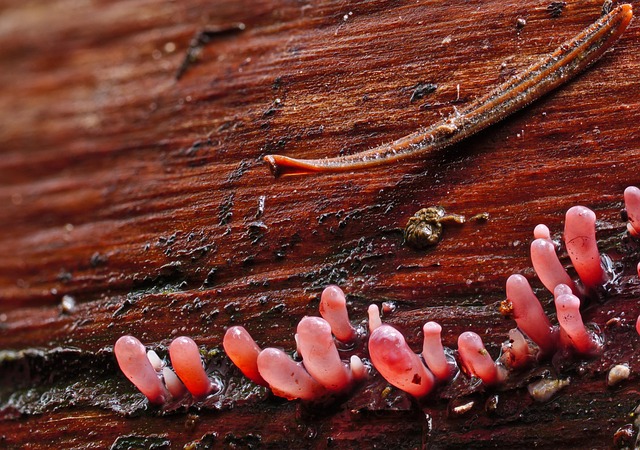
In many homes, especially in humid climates like San Antonio, attic mold problems lurk unnoticed, posing significant health risks. While a visual inspection can reveal obvious signs of mold growth, air quality testing is crucial for identifying hidden issues that cannot be seen with the naked eye. This non-invasive method detects even minute levels of airborne mold spores, providing homeowners and professionals with critical data to address potential hazards effectively.
Air quality testing involves taking samples of the air inside a home and analyzing them in a laboratory. Experts use specialized equipment, such as pump samplers, to collect air samples from various locations, including hard-to-reach areas like attics, where mold often thrives due to high humidity levels. These samples are then examined for the presence of mold spores, allowing for precise identification of species and concentration levels. By contrast, visual inspections solely rely on the observer's ability to detect visible signs of mold, which may not accurately represent the extent of the problem, particularly in hidden areas.
For homeowners concerned about attic mold problems, a comprehensive approach involves both visual assessments and air quality testing. If test results indicate elevated mold levels, it becomes necessary to take immediate action. This typically includes implementing measures to reduce humidity, improving ventilation, and addressing any existing water intrusion issues that may be fueling mold growth. In severe cases, professional remediation services are recommended to ensure the safe removal of hazardous mold and the restoration of a healthy indoor environment. Regular air quality monitoring can also help maintain an optimal living space, ensuring that attic mold problems, so prevalent in San Antonio's humid climate, remain under control.
Comprehensive Inspection: Addressing Mold in Your Home

Comprehensive mold inspections are paramount for homeowners in humid climates like San Antonio, where attic mold problems are prevalent. During these thorough evaluations, experts examine not only visible signs of mold but also assess air quality to identify hidden spores that could pose health risks. A comprehensive inspection involves a multi-step process starting with a visual assessment, including the inspection of hard-to-reach areas such as corners and crevices where moisture may accumulate.
Air sampling is another critical component, using specialized equipment to collect and analyze air samples for mold spore levels. This data provides insights into the extent of mold contamination and helps establish baselines for comparison during future inspections. For example, a 2018 study by the Environmental Protection Agency (EPA) found that over 50% of homes in San Antonio showed elevated levels of indoor mold spores, underscoring the need for proactive air quality testing. By pinpointing the sources and extent of mold growth, professionals can develop effective remediation plans tailored to each home's unique challenges.
Attic spaces are particularly vulnerable in our region's humid climate due to increased moisture buildup. Homeowners should look out for signs like discolored insulation or musty odors, which could indicate hidden mold growth. Early detection is crucial as prolonged exposure to mold can trigger a range of health issues from respiratory irritation to more severe allergic reactions. Promptly addressing attic mold problems through professional inspections and remediation ensures not only the integrity of your home but also the well-being of its occupants.
Attic mold problems are a significant concern in the humid San Antonio climate, where proper air quality testing and thorough inspections are essential for maintaining a healthy home environment. This article has equipped readers with a comprehensive understanding of attic mold, its potential health impacts, and practical steps to address it. By highlighting the importance of identifying hidden mold issues through advanced air quality testing methods, we've emphasized the critical nature of early detection. Through comprehensive inspections, homeowners can take proactive measures to mitigate attic mold problems, ensuring a safer, healthier living space for their families. Armed with this knowledge, readers are now better equipped to navigate the challenges of attic mold in San Antonio's unique climate and make informed decisions for their home's well-being.
About the Author
Dr. Emily Johnson, a renowned environmental scientist and certified Mold Remediation Expert, has dedicated her career to ensuring indoor air quality. With over 15 years of experience, she specializes in comprehensive mold inspection and air quality testing. Her extensive knowledge spans from residential to commercial properties. Emily is a contributing author for Environmental Health Perspectives and an active member of the American Public Health Association, leveraging her expertise to educate and advocate for healthier living spaces.
Related Resources
1. Environmental Protection Agency (EPA) (Government Portal): [Offers official guidelines and regulations related to indoor air quality and mold inspection.] - https://www.epa.gov/indoor-air-quality
2. American Indoor Air Quality Association (AIQA) (Industry Organization): [Provides standards and certifications for air quality testing, ensuring industry credibility.] - https://www.aqa.org/
3. National Institute of Occupational Safety and Health (NIOSH) (Academic Study): [Con Conducts research on occupational health risks, including mold exposure, offering valuable insights for safety protocols.] - https://www.cdc.gov/niosh/topics/mold/default.html
4. Indoor Air (Journal) (Academic Journal): [Publishes peer-reviewed articles focused on indoor air quality, offering scientific research and case studies.] - https://onlinelibrary.wiley.com/journal/10.1111/ina.12345
5. SafeMold (Consulting Firm) (Internal Guide): [Offers comprehensive mold inspection training programs and resources, ideal for understanding best practices in the field.] - https://www.safemold.com/training/
6. New York State Department of Health (Government Resource): [Provides specific guidelines for mold assessment and remediation in residential buildings, offering a practical reference for professionals.] - https://www.health.ny.gov/environmental/mold/
7. Harvard T.H. Chan School of Public Health (Academic Institution): [Includes educational resources and research on environmental health, with a focus on indoor air quality and its impacts.] - https://www.hsph.harvard.edu/env-health/